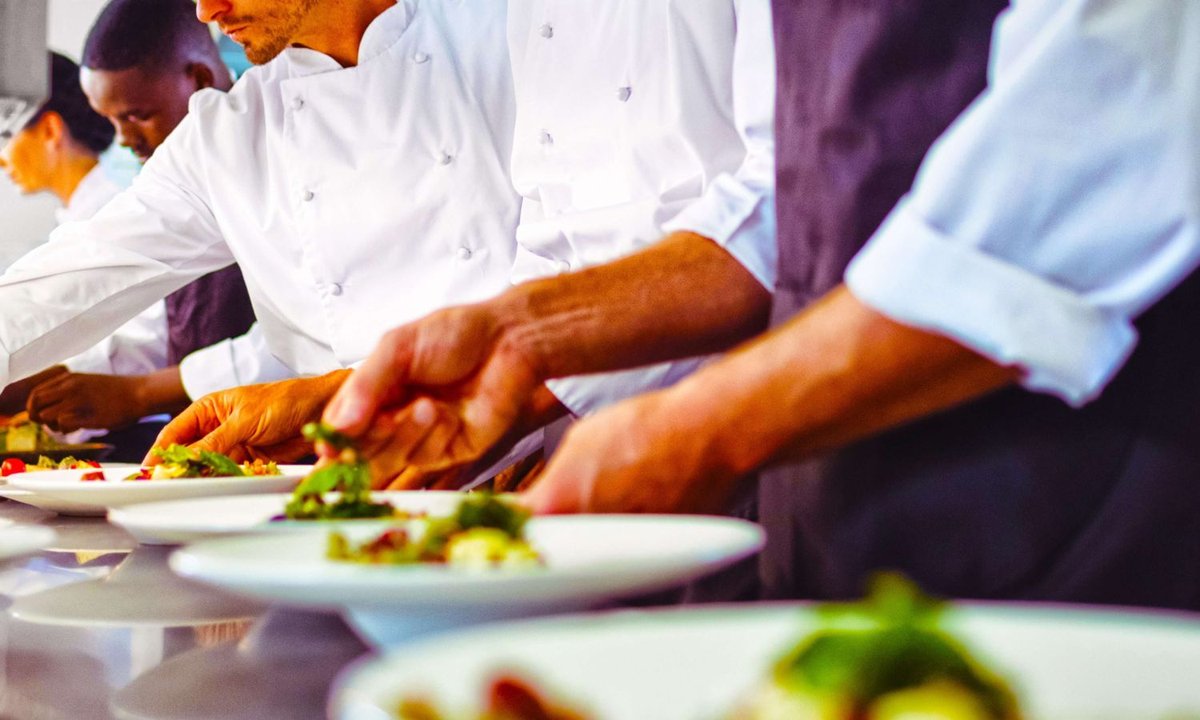
We've all had meals. We've all eaten food. But how many meals truly stay with you? How many become indelible moments, revisited in conversations for years to come? The magic often lies not just in the deliciousness on the plate, but in the intricate dance of Dining Experiences & Ambiance. It's the unspoken language of a restaurant, weaving together countless details to elevate a simple act of eating into an unforgettable sensory journey. Forget merely satisfying hunger; the goal is to create a story, a feeling, a cherished memory.
At a Glance: Crafting an Unforgettable Meal
- Ambiance is Everything: Beyond decor, it's the symphony of lighting, sound, scent, and texture that sets the mood.
- Service Redefined: It’s about genuine connection and intuitive care, not just efficient delivery.
- Storytelling Sells: Give diners a narrative – about the dish, the chef, or the culture – to deepen their engagement.
- Engage All Senses: Truly memorable meals captivate sight, sound, touch, smell, and taste in harmony.
- Surprise & Delight: Small, unexpected gestures create powerful, lasting impressions.
- Location & Timing Matter: The context of where and when you dine significantly shapes the emotional response.
- Cuisine as Art: High-quality ingredients and artistic presentation remain the heart of any great meal.
- Company & Connection: The people you share a meal with are paramount; the restaurant should foster that bond.
- Details Make the Difference: From custom cutlery to a unique concept, every element contributes to a cohesive experience.
Beyond the Plate: What Truly Defines a Dining Experience?
For too long, we’ve evaluated restaurants almost solely on the food. "Is it tasty?" "Are the ingredients fresh?" While undeniably crucial, this narrow focus misses the broader, richer tapestry that turns a meal into an event. An unforgettable dining experience extends far beyond the culinary creations, encompassing everything from the moment you step through the door to the lingering aftertaste and the stories you tell later. It's about designing a holistic journey, where the sum is far greater than its parts.
Think of it this way: a meal is sustenance. A dining experience is an immersion. It’s the difference between hearing a song and attending a live concert where the lights, the crowd, the energy, and the acoustics combine for a transcendent moment. Restaurants that grasp this distinction, those that thoughtfully curate every single detail, are the ones that stand out in a crowded culinary landscape.
The Pillars of Unforgettable Ambiance
Ambiance isn't just background noise; it's the very air you breathe within a restaurant's walls. It's the stage upon which your meal unfolds, subtly influencing your mood, perception of flavor, and overall enjoyment. Crafting perfect ambiance means meticulously curating every sensory input to align with the restaurant's identity and desired atmosphere.
Lighting & Mood: Painting with Light
Lighting is perhaps the most potent tool in a restaurant's ambiance arsenal. Dim, warm lighting can create an intimate, romantic, or sophisticated atmosphere, encouraging hushed conversations and focusing attention on the plate and your dining companions. Imagine a cozy corner in a Romantic Monterey ocean view dining, where soft light catches the glint of wine glasses and the sparkle of distant waves. Conversely, bright, evenly distributed light lends itself to lively, casual, or family-friendly settings, promoting energy and openness. It's about more than just brightness; it's about direction, color temperature, and how light plays with shadows and textures to evoke a specific feeling.
Soundscapes & Music: The Underrated Harmony
The auditory experience shapes how you perceive your surroundings. Curated music, carefully selected to complement the restaurant's identity, can soothe, energize, or even transport you. It should be present enough to set a mood but never so overpowering that it hinders conversation. Beyond background tracks, consider the natural sounds: the gentle clinking of cutlery, the soft murmur of conversations, or the rhythmic hum of an open kitchen. Some avant-garde establishments even use carefully designed soundscapes to enhance flavor perception, proving that the right sounds can literally make food taste better.
Design & Decor: A Feast for the Eyes and Touch
The visual and tactile elements of a space are immediate and impactful. Layout influences flow and privacy; materials like wood, stone, velvet, or linen communicate luxury, rustic charm, or modern minimalism. Consider how scent can subtly guide your experience—perhaps a hint of woodsmoke or fresh herbs. Design extends to the smallest details: the weight and feel of custom cutlery, the unexpected artistry in a bathroom, or the unique texture of a menu. Every choice, from the artwork on the walls to the pattern on the floor, must consistently reflect the restaurant's overarching identity.
Service: The Art of Human Connection
Exceptional service transcends mere efficiency. It’s about genuine human connection, making diners feel truly seen, valued, and cared for without ever becoming intrusive. This kind of service is intuitive, anticipatory, and deeply personalized.
Warm Welcomes & Attentive Pacing
The dining journey begins the moment a guest arrives. A warm, genuine welcome sets a positive tone, making diners feel instantly at ease. Throughout the meal, attentive pacing is key. Service shouldn’t feel rushed or dragging; rather, it should flow seamlessly, allowing guests to savor each course and conversation. The best servers read the table's mood, knowing when to approach and when to give space.
The Power of Personalization
Imagine a server remembering your preferred drink from a previous visit, or surprising you with a complimentary dessert to celebrate a birthday. These small, personalized gestures transform a transactional exchange into a memorable interaction. Michelin-starred restaurants famously train staff not just on menu knowledge, but on the subtle art of adapting their service style to each table's unique dynamic, ensuring a tailored experience every time.
Storytelling & Ritual: Adding Depth to Your Meal
Diners today crave more than just sustenance; they seek meaning and connection. Storytelling and ritual transform a plate of food into a journey, a conversation piece, or a cultural exploration.
Narratives that Nourish
When a chef shares the origin story of a dish – perhaps it’s a grandmother's recipe, a local farmer's special ingredient, or a culinary journey through a specific region – it imbues the food with soul. Providing small cards that explain the cultural roots of certain ingredients or preparation methods can turn a meal into an educational and enriching experience. This narrative layer deepens appreciation, making the food more than just fuel; it becomes a piece of history, art, or personal expression.
Rituals that Resonate
Unique rituals can leave a profound impression. This could be as simple as lighting a small candle before dessert, performing a tableside preparation, or offering a signature farewell tea with a specific ceremony. These repeated, intentional acts create a sense of occasion, making diners feel part of something special and memorable. They act as punctuation marks in the dining experience, solidifying a moment in time.
A Symphony for the Senses: Multi-Sensory Engagement
Truly unforgettable dining engages all five senses, creating a rich tapestry of experiences that enhance and elevate one another. Each sense plays a critical role in how we perceive and enjoy our food.
- Sight: The visual appeal of a dish is paramount. Artistic plating, vibrant colors, and thoughtful garnishes turn food into edible art. Beyond the plate, the interior design of the restaurant itself provides the visual backdrop for the entire experience.
- Sound: As discussed, curated music and ambient sounds contribute significantly. The sizzle from an open kitchen, the gentle pour of wine, or even the crunch of a perfectly cooked ingredient at the table all add to the auditory landscape.
- Touch: The tactile experience starts before the food reaches your mouth. The quality of the linen napkin, the weight of the glassware, the texture of a menu, or the warmth of a coffee cup all contribute to comfort and perceived quality.
- Smell: The aroma of food is intrinsically linked to taste. Restaurants can enhance this through the deliberate release of enticing scents – perhaps the rich smell of freshly baked bread, the subtle fragrance of herbs, or even a tableside aromatic preparation. Some high-end establishments work with scent designers to create bespoke olfactory experiences that perfectly complement their cuisine.
- Taste: While enhanced by all other senses, taste remains the cornerstone. The interplay of flavors, textures, and temperatures in a dish is what ultimately satisfies the palate and leaves a lasting gustatory memory.
When these sensory inputs are harmonized, they create a powerful, immersive experience that goes far beyond the sum of its individual parts.
The Unexpected Delight: Surprise & Personalization
The human brain is wired to remember novelty and emotion. Thoughtful, unexpected elements create moments of genuine surprise and delight that are often the most shared and remembered aspects of a dining experience. These are the human touches that transform a good meal into an extraordinary one.
This could manifest as a complimentary amuse-bouche (a tiny, pre-appetizer bite) from the chef, a small personalized message on a dessert plate, a hand-written thank you note with the bill, or even a miniature, take-home version of a signature dish. Imagine a chef briefly visiting your table to explain a special ingredient. These gestures show care and attention, making diners feel uniquely special. They aren’t about grandiosity, but about authentic, human connection that lingers long after the meal is over.
Location, Timing, and the Magic Hour
The physical context and the precise moment in time can dramatically heighten the emotional impact of a dining experience. It's about leveraging the environment to create an unforgettable backdrop.
Consider the romance of a seaside lunch where the sound of waves provides a natural soundtrack, or a rooftop dinner that perfectly aligns with the golden hour sunset, painting the sky in breathtaking hues. Even a cozy meal indoors during a rainstorm can evoke feelings of warmth and comfort. Restaurants can strategically plan menus and settings around natural cues, perhaps offering lighter fare for a sunny afternoon or heartier dishes for a cool evening. Flexible booking options that allow guests to choose times for optimal views or ambiance can significantly enhance the perceived value. The confluence of a stunning location and impeccable timing can transform a meal into a truly cinematic memory.
Crafting Shareable Moments: Memories Made to Last
In today's interconnected world, shareable moments are invaluable. While authenticity always comes first, smart restaurants design experiences with content creation in mind, without sacrificing the genuine atmosphere.
This isn't about creating "Instagram traps," but about naturally beautiful, unique, or dramatic elements that diners genuinely want to capture and share. Think picture-perfect desserts, cocktails with a unique presentation, or interiors that showcase stunning design. The goal is to provide visual and experiential touchpoints that are so compelling, guests feel compelled to talk about them, share them, and relive them. When these moments are born from genuine creativity and attention to detail, rather than a forced attempt at virality, they resonate much more deeply.
Cuisine: The Heart of the Matter
While ambiance and experience elevate the meal, the cuisine itself remains the undeniable star of the show. All the thoughtful details would fall flat without truly exceptional food.
This starts with fresh, high-quality ingredients, ideally sourced locally to ensure peak flavor and support community producers. Transparency about allergens and dietary restrictions is non-negotiable, demonstrating care for every guest. Beyond taste, presentation is crucial. Dishes should be visually appealing, using artistic plating, thoughtful garnishes, and strategically placed sauces to create a feast for the eyes before the first bite. The balance of flavors, textures, and temperatures, combined with innovative techniques and a reverence for core ingredients, ensures the food lives up to the promise of the experience.
The Company You Keep: Fostering Connection
Ultimately, a dining experience is often shared, and the people at your table are central to the memories you create. A great restaurant understands this and strives to foster an atmosphere that encourages good conversation and connection.
This means comfortable seating arrangements that promote interaction, minimal distractions from overly loud music or intrusive service, and perhaps even options for socializing like communal tables. Think of a lively spot for Casual Family Dining Cannery Row, where the environment is relaxed enough for laughter and shared plates. Restaurants can also offer subtle touches that encourage memory-making and photo opportunities, like unique shareable desserts or personalized celebratory elements, cementing the meal as a collective experience.
Restaurant Concept & The Devil in the Details
A strong, distinctive concept or theme provides the backbone for the entire dining experience. It's the central idea that ties all the elements together, from the menu to the decor to the service style.
Beyond the big picture, attention to detail elevates a concept from good to exceptional. This means crisp, perfectly ironed linens, exquisite china and glassware, well-curated wine lists with knowledgeable sommeliers, and even the quality of the restroom amenities. Elements like live music, special culinary events, or interactive experiences – such as tableside carving or mixology – add drama and excitement, keeping the experience fresh and engaging. This meticulous care signals to diners that every aspect of their visit has been thoughtfully considered and executed.
Balancing Tradition with Innovation
The most compelling culinary experiences often walk a fine line between the familiar and the novel. It's about honoring heritage while pushing boundaries.
This delicate balance involves combining classic dishes with modern twists, using traditional ingredients and techniques in innovative ways, and experimenting with new flavors, spices, and presentation styles. The key is to maintain a sense of continuity with the restaurant's overall theme and identity. A restaurant might offer a deconstructed version of a regional classic or infuse a global flavor into a local favorite. This approach keeps menus exciting and relevant, appealing to both those who appreciate culinary heritage and those who seek contemporary innovation.
Fine Dining vs. Casual Dining: Knowing Your Setting
The world of dining experiences offers a vast spectrum, broadly categorized into fine dining and casual dining, each with its own unique characteristics and expectations. Understanding these differences helps you choose the perfect setting for your occasion.
Fine Dining: The Apex of Elegance
Fine dining is characterized by an unwavering commitment to high-quality food, exceptional service, and an elegant, formal atmosphere. It’s about creating an experience of luxury and sophistication, often reserved for special occasions. When you're seeking Monterey Fine Dining for Special Occasions, you expect meticulous attention to every detail.
- Cuisine: Intricate preparations, often featuring exotic or rare ingredients. Artistic, almost sculptural, presentation.
- Service: Highly attentive, discreet, and personalized staff, trained to anticipate needs. Often includes a sommelier for extensive wine lists.
- Ambiance: Sophisticated and often opulent decor, white tablecloths, fine china, crystal glassware, and subdued, often classical or jazz music. Dress codes are typically enforced.
- Price Point: Significantly higher, reflecting the quality of ingredients, skill of preparation, and level of service.
Casual Dining: Comfort and Approachability
Casual dining offers a more relaxed, informal atmosphere, focusing on comfort, good food, and a welcoming environment. It’s perfect for everyday meals, family gatherings, or when you simply want to unwind without pretension.
- Cuisine: Often features comfort food, regional specialties, or more straightforward dishes. Presentation is appealing but less elaborate than fine dining.
- Service: Friendly and efficient, less formal but still attentive.
- Ambiance: Cozy, comfortable, and inviting. Decor is typically simpler, reflecting a local theme or a modern, relaxed aesthetic. Dress codes are informal.
- Price Point: Generally more affordable, offering good value for quality food in a relaxed setting.
Both fine and casual dining can deliver unforgettable experiences, but they do so through different means, catering to distinct desires and expectations. The "best" choice depends entirely on the occasion, your company, and the kind of memory you aim to create.
How to Choose Your Next Memorable Dining Experience
With such a rich array of elements contributing to a dining experience, how do you decide where to go next? Here’s a practical guide to making a choice that aligns with your desires:
- Define Your Occasion: Is it a romantic date, a family celebration, a business lunch, or a casual catch-up with friends? The occasion dictates the required formality, noise level, and menu style.
- Consider Your Company: Who are you dining with? Their preferences, dietary needs, and comfort levels are crucial. A lively atmosphere might be great for friends, but less so for a quiet conversation.
- Think Beyond the Food (Initially): While important, first consider the feeling you want. Do you want to feel transported, celebrated, relaxed, or energized? Let the desired ambiance guide your initial search.
- Research the Vibe: Look at photos of the interior, read reviews that describe the atmosphere and service, and check for details about music, lighting, and dress code. Websites and social media are powerful tools for this.
- Check for Special Touches: Does the restaurant offer unique elements like tasting menus, chef interactions, live entertainment, or a particularly interesting origin story? These can elevate a good meal to a great one.
- Location, Location, Location: Does the setting itself contribute to the experience? A stunning view, a unique neighborhood, or historical building can add an extra layer of enjoyment.
- Read the Menu (Carefully): Once you've narrowed down your choices, dive into the menu. Look for fresh, seasonal ingredients, creative combinations, and options that cater to your (and your companions') tastes and dietary restrictions.
- Don't Forget the Details: Look for mentions of quality linens, unique dishware, or an extensive wine list if those details are important to you.
By approaching your dining choices with these considerations in mind, you move beyond merely picking a place to eat and begin curating an experience designed for lasting memories.
Common Questions About Elevating Your Dining
Q: Does a higher price tag always guarantee a better dining experience?
A: Not necessarily. While fine dining often comes with a higher price due to premium ingredients, skilled labor, and elaborate ambiance, a truly memorable experience can be found at any price point. Exceptional service, a unique concept, or a vibrant atmosphere can elevate a casual meal just as much as a Michelin-starred one. It's about value and alignment with your expectations, not just cost.
Q: How can I subtly give feedback about ambiance or service without seeming rude?
A: Most restaurants genuinely appreciate constructive feedback. If something is bothering you in the moment (e.g., music too loud, a draft), politely inform your server. For more general feedback about the overall experience, consider sending a polite email or leaving a thoughtful online review after your visit, focusing on specific observations rather than broad complaints. Frame it as helpful insight for future improvements.
Q: What role does sustainability play in enhancing the dining experience?
A: A significant one. Knowing that a restaurant prioritizes sustainably sourced ingredients, minimizes waste, or supports local farmers can deeply enhance a diner's appreciation and connection to the meal. It adds a layer of ethical consideration and storytelling that resonates with many modern consumers, making the experience more meaningful and aligned with their values.
Q: Can I create a "fine dining" experience at home?
A: Absolutely! While you might not have a professional kitchen staff, you can replicate many elements. Focus on multi-sensory engagement: set the table beautifully, choose a thoughtful playlist, light candles for ambiance, present your food artistically, and craft a simple narrative around your ingredients or cooking process. Impeccable, personalized service from yourself or a partner also makes a huge difference.
Transforming Every Meal into a Memory
The journey through the world of Dining Experiences & Ambiance reveals a profound truth: food is just the beginning. The magic happens when every element – the glow of the lighting, the murmur of conversation, the texture of a napkin, the story behind a dish, and the warmth of human connection – conspires to create something greater than the sum of its parts.
Whether you're celebrating a milestone with Monterey Fine Dining for Special Occasions or simply enjoying a weeknight meal, remember that you have the power to seek out, appreciate, and even cultivate these deeper experiences. By understanding the elements that truly transform meals into lasting memories, you can become a more discerning diner, a more appreciative guest, and perhaps even a better host. So, the next time you sit down to eat, open your senses, engage your curiosity, and let the experience unfold. You might just find yourself creating a memory that lasts a lifetime.