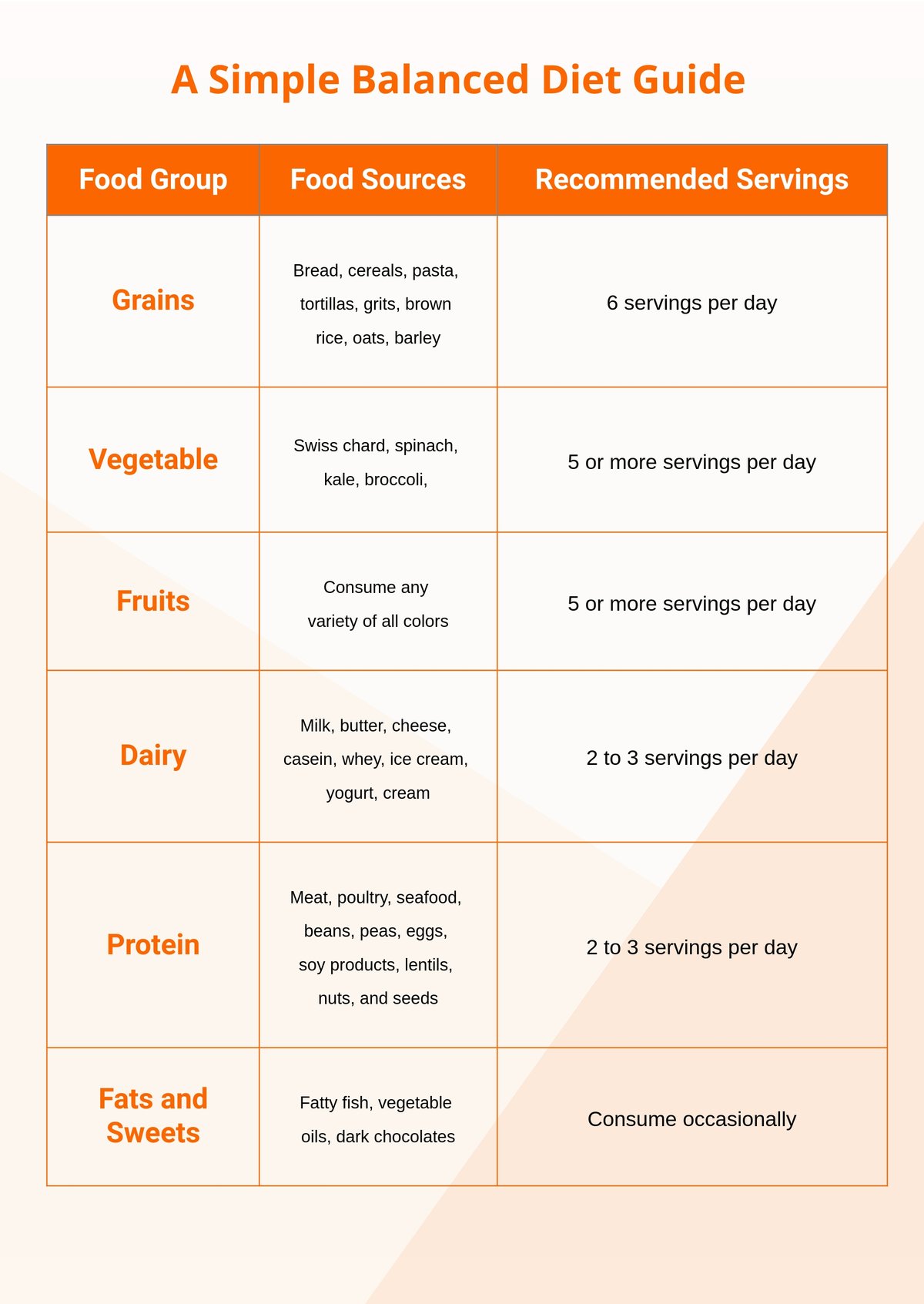
In a world awash with conflicting nutrition advice, a significant shift in federal policy has finally cut through the noise. On January 7, 2026, a landmark moment in public health arrived as U.S. Department of Health and Human Services Secretary Robert F. Kennedy, Jr. and U.S. Department of Agriculture Secretary Brooke Rollins unveiled the new 2025–2030 Dietary Guidelines for Americans. These guidelines are far more than just recommendations; they represent a bold, clear response to a national health emergency, explicitly resetting federal nutrition policy to prioritize real food. The emphasis on Meal-Specific Recommendations woven throughout these new directives points us back to a foundational truth: what we eat, meal by meal, is the bedrock of our health, not merely a symptom to be managed.
The core message? Focus on whole, nutrient-dense foods, dramatically reduce highly processed fare, and empower yourself with specific, actionable choices for every plate you prepare or choose. This isn't about restriction for its own sake, but about re-calibrating our relationship with food, embracing nourishment, and supporting the American farmers and ranchers who produce it.
At a Glance: The New Dietary North Star
The 2025–2030 Dietary Guidelines for Americans offer a refreshingly clear path to better health. Here are the key takeaways you need to know:
- Prioritize Protein: Make protein a focal point at every meal.
- Embrace Whole Foods: Choose whole vegetables, fruits, healthy fats, and whole grains.
- Go Full-Fat Dairy: Opt for full-fat dairy without added sugars.
- Banishing Processed Foods: Sharply limit highly processed foods, added sugars, and artificial additives.
- Smart Hydration: Stick to water and unsweetened beverages.
- Mindful Portions: Eat appropriate amounts based on your individual needs.
- Limit Alcohol: Consume alcohol in moderation, if at all.
- Food First: Reclaim food, not pharmaceuticals, as the foundation of health.
Reclaiming the Plate: Why These Guidelines are a Game Changer
For decades, Americans have navigated a bewildering maze of dietary advice, often leading to confusion, frustration, and an escalating public health crisis. Chronic diseases related to diet have reached alarming levels. The new Dietary Guidelines for Americans confront this challenge head-on, re-establishing food as the foundation of health and empowering individuals to make informed choices that nourish their bodies. This isn't just a tweak; it's a fundamental recalibration.
Secretary Kennedy and Secretary Rollins highlighted the policy's aim to realign our food system, shifting away from a reliance on ultra-processed, chemically-laden products towards real, honest food. It supports American farmers and ranchers who are dedicated to producing the very ingredients that build vibrant health. Think of the iconic food pyramid, now repurposed not as a relic of old, flawed advice, but as a potent tool for education and genuine nourishment. It's about getting back to basics, and understanding that the power to transform our health lies, quite literally, on our dinner plate.
Deconstructing Your Plate: Prioritizing Whole Foods at Every Meal
The essence of the new guidelines is simple yet profound: build your meals around whole, nutrient-dense foods. This means moving away from ingredients lists that read like a chemistry experiment and embracing foods that come from the earth, not a factory. Let's break down how this translates into practical Meal-Specific Recommendations.
The Power of Protein: Your Daily Anchor
The directive is clear: prioritize protein at every meal. This isn't just about muscle building; protein is crucial for satiety, stable blood sugar, immune function, and overall cellular repair. When you include sufficient protein, you're less likely to experience energy crashes or reach for sugary snacks.
Practical Application:
- Breakfast: Think eggs, Greek yogurt (full-fat, no added sugar), cottage cheese, or a protein smoothie made with whole ingredients.
- Lunch: Chicken breast, lean beef, fish, lentils, beans, or tofu in a salad or wrap. When you're looking for Top lunch in Monterey CA, seek out places that clearly prioritize protein-rich, whole food options.
- Dinner: A generous serving of quality meat, poultry, fish, or plant-based protein sources like legumes or tempeh.
- Snacks: Hard-boiled eggs, a handful of nuts, jerky (sugar-free), or a slice of cheese.
Dairy, Done Right: Full Fat, No Guilt
For years, low-fat and fat-free dairy were promoted, often at the expense of flavor and satiety, leading to products laden with sugar to compensate. The new guidelines advocate for full-fat dairy with no added sugars. Full-fat dairy provides essential fat-soluble vitamins (A, D, E, K) and helps keep you feeling fuller longer, naturally reducing the urge to overeat.
Practical Application:
- Choose: Whole milk, full-fat plain yogurt, natural cheeses, cottage cheese.
- Avoid: Flavored yogurts, low-fat milk alternatives with added sugars, processed cheese spreads.
- Why it matters: The fat in dairy contributes to nutrient absorption and satiety, making it a valuable component of a balanced diet when chosen wisely.
Vibrant Harvest: Vegetables and Fruits, All Day Long
It’s no surprise that whole vegetables and fruits remain pillars of a healthy diet. They are packed with vitamins, minerals, fiber, and antioxidants essential for disease prevention and overall vitality. The emphasis here is on "whole," meaning fresh, frozen, or canned (without added sugar or salt) produce, rather than processed juices or fruit snacks.
Practical Application:
- Aim for: A colorful variety. "Eat the rainbow" is still excellent advice.
- Incorporate: Leafy greens, cruciferous vegetables, berries, citrus fruits, apples, bananas.
- How: Add spinach to your morning eggs, snack on an apple, fill half your dinner plate with non-starchy vegetables. Even when exploring the Best breakfast spots in Monterey, look for menus that feature plenty of fresh produce.
The Good Fats Club: Fueling Smart
Forget the fat phobia of decades past. Healthy fats are crucial for hormone production, nutrient absorption, brain health, and providing sustained energy. The key is sourcing them from whole foods.
Practical Application:
- Sources: Meats (especially fattier cuts in moderation), seafood (fatty fish like salmon, mackerel), eggs, nuts, seeds (chia, flax, hemp), olives, avocados, and olive oil.
- Incorporate: Sliced avocado on toast, a handful of almonds as a snack, olive oil dressing on your salad, salmon for dinner. These fats contribute significantly to the satiety and nutrient density of your meals.
Beyond White Bread: Embracing Whole Grains
While the guidelines emphasize reducing refined carbohydrates, they highlight the value of whole grains. True whole grains retain their bran, germ, and endosperm, providing fiber, B vitamins, and minerals often stripped away in processed versions.
Practical Application:
- Choose: Oats, quinoa, brown rice, whole wheat bread/pasta, farro, barley.
- Avoid (or sharply reduce): White bread, white rice, sugary cereals, pastries, most crackers, and highly processed snack foods made with refined flours.
- The Difference: Whole grains provide sustained energy and support gut health, unlike refined carbs that cause blood sugar spikes and crashes.
The "No-Go" Zone: Foods to Dramatically Reduce or Avoid
This is where the new guidelines draw a firm line, tackling the root causes of many modern health issues. Dramatically reducing or eliminating these categories is central to resetting your health.
Highly Processed Foods: The Ultimate Culprit
These are foods often created in factories with long lists of ingredients, many of which you wouldn't find in a home kitchen. They are typically engineered to be hyper-palatable, easily digestible (leading to quick hunger), and often contain high levels of sugar, unhealthy fats, and artificial additives.
How to Spot Them:
- Long ingredient lists with unfamiliar names.
- Items packaged for convenience (e.g., instant meals, most breakfast cereals, sugary drinks, processed meats, many snack bars, chips, cookies, fast food).
- Any food that doesn't resemble its original, whole form.
Added Sugars: Sweet but Destructive
Added sugars contribute empty calories, lead to blood sugar dysregulation, increase inflammation, and are a major driver of obesity, type 2 diabetes, and heart disease. The guidelines call for a sharp reduction.
Where They Hide:
- Soda, fruit juices (even 100% juice should be limited due to high sugar content), sweetened coffee drinks.
- Candy, desserts, pastries.
- Many processed foods you wouldn't expect: sauces, condiments (ketchup, BBQ sauce), salad dressings, breads, yogurts, granola bars.
Artificial Additives: Unnecessary Chemicals
Food dyes, artificial sweeteners (sucralose, aspartame, saccharin), preservatives, and flavor enhancers are often found in processed foods. The long-term health effects of many of these are still being researched, and the guidelines advise caution and avoidance. Sticking to whole, real foods naturally eliminates most of these.
Refined Carbohydrates: The Empty Fuel
As mentioned with whole grains, refined carbohydrates (white flour, white rice, many breakfast cereals) provide quick energy but lack the fiber and nutrients found in their whole counterparts. They contribute to blood sugar spikes and can lead to overeating and weight gain. Prioritize nutrient-dense sources of carbohydrates like whole fruits, vegetables, and whole grains.
Hydration & Moderation: Beyond the Plate
Nutrition isn't just about what you eat; it's also about what you drink and how you consume other substances.
Water and Unsweetened Beverages: The Primary Choice
Hydration is fundamental to every bodily function. Water is the best choice, followed by unsweetened coffee and tea. Avoid sugary drinks, even those marketed as "natural" fruit juices, which often contain as much sugar as soda without the fiber of whole fruit.
Limiting Alcohol Consumption
The guidelines recommend limiting alcohol intake. For adults who choose to drink, moderation is key: up to one drink per day for women and up to two drinks per day for men. Many alcoholic beverages contain empty calories and can interfere with nutrient absorption and overall health.
Crafting Your Meal: Practical Meal-Specific Recommendations
Now, let's bring these principles to life by looking at how you can apply them to different meals throughout your day.
Breakfast Reboot: Starting Strong
Your first meal sets the tone for your energy and cravings. Make it count with a strong protein foundation.
- Eggs with Veggies: Scramble eggs with spinach, bell peppers, and mushrooms. Add a side of avocado for healthy fats.
- Greek Yogurt Parfait (Unsweetened): Full-fat plain Greek yogurt layered with berries and a sprinkle of nuts or seeds.
- Protein Smoothie: Blend full-fat plain Greek yogurt or cottage cheese with berries, a handful of spinach, and a scoop of unflavored protein powder (optional).
- Oatmeal (Whole Grain): Cooked with water or whole milk, topped with nuts, seeds, and berries. Avoid instant, flavored packets loaded with sugar.
Mid-Morning Munchies & Brunch Bliss
Snacks should bridge hunger, not become another meal of processed junk. For weekend indulgences, make smart choices.
- Smart Snacking: A handful of almonds, an apple with almond butter, hard-boiled eggs, or a piece of cheese.
- Brunch Redefined: When seeking the Best Saturday Brunch Monterey, look for establishments offering egg-based dishes with plenty of vegetables, whole-grain toast options, and fresh fruit. Avoid sugary pastries, pancakes with syrup, and bottomless mimosas. Opt for savory, protein-rich choices.
Lunchtime Lift: Fuel for the Afternoon
A balanced lunch prevents the afternoon slump and keeps you productive.
- Salad with Purpose: A large salad with leafy greens, plenty of non-starchy vegetables, and a generous protein source like grilled chicken, salmon, or chickpeas. Use an olive oil and vinegar dressing.
- Leftover Dinner: One of the easiest and healthiest lunch options is simply bringing leftovers from a whole-food dinner.
- Turkey and Avocado Wrap (Whole Grain): Use a whole-grain tortilla, sliced turkey, avocado, lettuce, and tomato.
- Soup and Salad: A hearty, vegetable-rich soup (check for low sodium and no added sugar) paired with a small side salad.
Dinner Done Right: The Evening Reset
Dinner is an opportunity to refuel and recover. Aim for a balanced plate that supports restful sleep and repair.
- Protein-Centric Plate: A lean protein (chicken, fish, steak, lentils) as the centerpiece.
- Vast Vegetable Assortment: Fill half your plate with non-starchy vegetables (roasted broccoli, steamed green beans, a large mixed salad).
- Modest Whole Grain: A serving of quinoa, brown rice, or a sweet potato.
- Healthy Fats: Use olive oil for cooking or add avocado/nuts to your meal.
Personalizing Your Plate: Tailored Meal-Specific Recommendations
The beauty of the new guidelines lies in their adaptability. While the core principles remain steadfast, the specific application can be tailored to individual needs.
For Infants and Children
Early nutrition sets the stage for lifelong health. Focus on whole, unprocessed foods from the start.
- Infants: Breast milk or formula as primary nutrition. Introduce single-ingredient purees (vegetables, fruits, meats) as solids begin.
- Children: Offer a variety of whole foods. Prioritize protein and healthy fats for growth and development. Limit added sugars and highly processed snacks. Encourage water.
For Adolescents
Rapid growth and high activity levels mean increased energy and nutrient needs.
- Emphasize nutrient-dense meals. Encourage packing lunches to avoid processed school cafeteria options.
- Ensure adequate protein, calcium (from full-fat dairy), and iron (especially for girls).
For Pregnant and Lactating Women
Nutrition during pregnancy and lactation directly impacts maternal and infant health.
- Increased needs for protein, iron, calcium, folate, and healthy fats.
- Focus on nutrient-dense whole foods. Avoid raw or undercooked meats and certain fish high in mercury. Stay well-hydrated.
For Older Adults
Nutrient needs can shift with age, with a focus on maintaining muscle mass, bone health, and cognitive function.
- Prioritize protein to combat muscle loss (sarcopenia).
- Ensure adequate Vitamin D and calcium for bone health (full-fat dairy is beneficial).
- Stay hydrated, as thirst perception can decrease with age.
For Individuals with Chronic Disease
While these guidelines provide a general framework, individuals with specific chronic conditions (e.g., diabetes, heart disease, kidney disease) should always consult with a healthcare provider or registered dietitian for personalized advice. However, the core principles of whole foods, reduced processed items, and balanced macros are generally beneficial.
For Vegetarians and Vegans
Meeting protein and healthy fat requirements is crucial when animal products are excluded.
- Protein: Rely on legumes (beans, lentils), soy products (tofu, tempeh, edamame), nuts, seeds, and whole grains.
- Healthy Fats: Avocados, nuts, seeds, olive oil.
- Nutrient Considerations: Pay attention to Vitamin B12 (supplementation often necessary), iron, calcium, and Omega-3s. Fortified plant milks (unsweetened) and leafy greens can help with calcium.
Your Questions Answered: Common Myths & Clarifications
The new guidelines debunk several long-held myths. Let's tackle some common questions.
"Are all carbs bad?"
No, absolutely not. The guidelines differentiate between refined carbohydrates (which should be sharply reduced) and whole-food carbohydrates like whole vegetables, fruits, and true whole grains. These are vital for fiber, vitamins, minerals, and sustained energy. The problem isn't carbs; it's the type of carbs.
"Is saturated fat back on the menu?"
The focus has shifted from blanket condemnation of saturated fat to understanding its context. When sourced from whole foods (like full-fat dairy, quality meats, eggs), saturated fat is part of a nutrient-dense package. The concern remains with saturated fats found in highly processed foods and trans fats. Prioritize whole-food fats, and let your body guide your intake based on satiety.
"Do I really need full-fat dairy?"
The guidelines strongly recommend full-fat dairy with no added sugars. The fat in dairy contributes to satiety, carries fat-soluble vitamins, and often means fewer additives. If you can tolerate dairy, opting for full-fat, plain varieties is encouraged over skim or sweetened versions that often compensate with sugar.
Making the Shift: Your Actionable Roadmap
Adopting these Meal-Specific Recommendations isn't about perfection overnight; it's about making consistent, informed choices that build lasting health. The new 2025–2030 Dietary Guidelines for Americans offer a refreshingly clear, evidence-based pathway forward.
- Start Small: Pick one meal (e.g., breakfast) and focus on making it protein-rich and whole-food based. Once that feels natural, move to the next meal.
- Read Labels (Carefully): Pay close attention to ingredient lists and nutrition facts. Prioritize foods with short, recognizable ingredient lists. Look for "added sugars" and avoid them.
- Prioritize Protein: Make it the anchor of every meal. This single change can dramatically impact satiety and blood sugar control.
- Load Up on Plants: Fill half your plate with non-starchy vegetables and incorporate fruits throughout the day.
- Cook at Home More Often: This gives you maximum control over ingredients. When dining out, choose restaurants that emphasize fresh, whole ingredients and customize your order to fit the guidelines.
- Stay Hydrated: Make water your primary beverage.
- Be Patient and Consistent: Sustainable changes take time. Celebrate small victories and learn from setbacks.
The future of American health isn't in a pill bottle; it's on your plate. By embracing these simple, powerful Meal-Specific Recommendations, you're not just improving your own well-being, but contributing to a healthier food system that supports both people and planet.