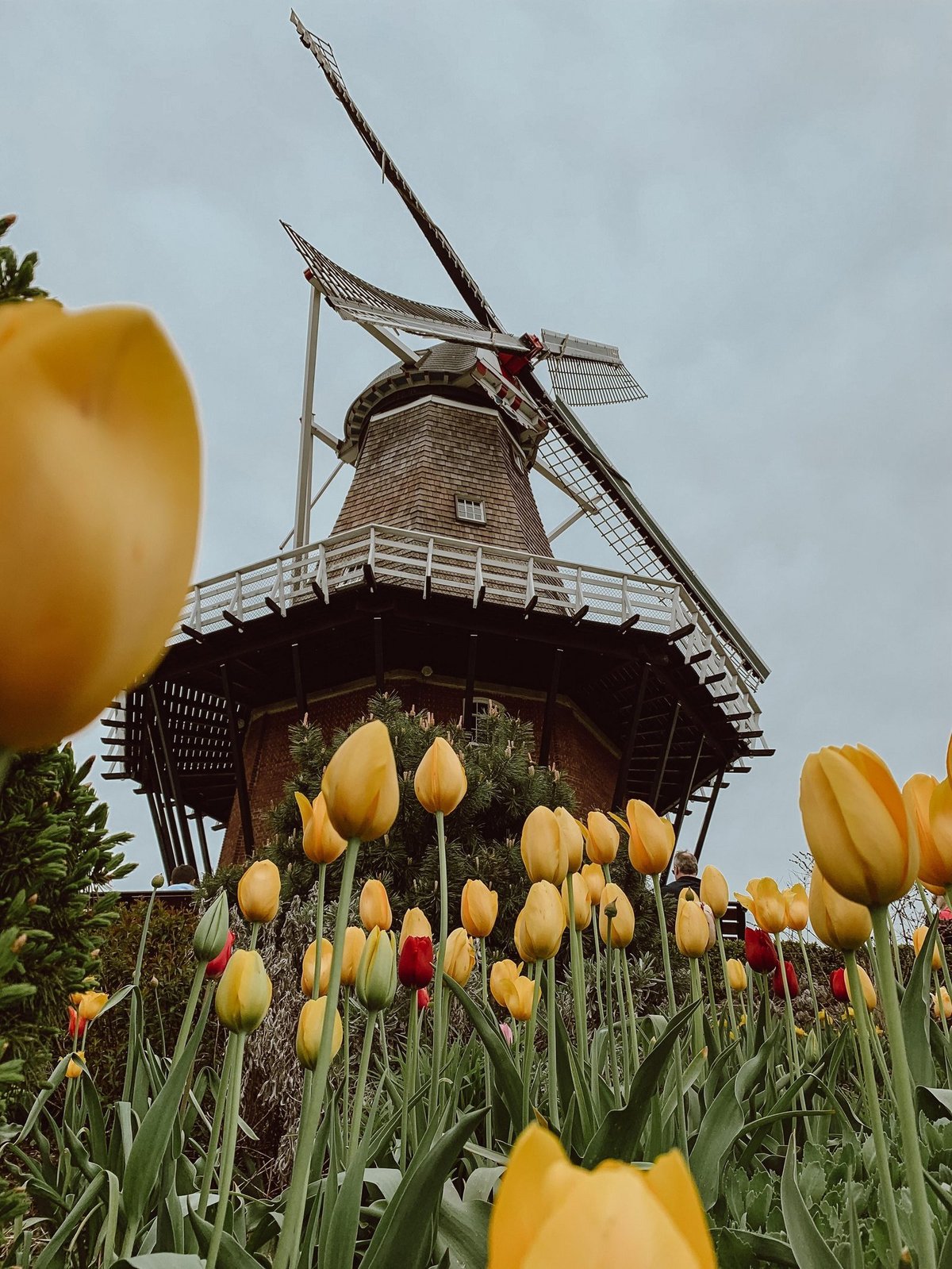
Some places simply lodge themselves in your memory, defying the ordinary and reshaping your perspective. Whether you're exploring the farthest reaches of our planet or stepping into a thoughtfully designed home, it’s often the unique features & locations that elevate an experience from merely pleasant to truly exceptional. These aren't just details; they're the soul of a place, whispering stories of nature's artistry, human ingenuity, or cultural legacy.
This guide will take you on a journey through these extraordinary elements, from the world's most breathtaking natural wonders to the architectural marvels that define our living spaces. You'll discover what makes a destination unforgettable, what transforms a house into a remarkable home, and how both are deeply intertwined with their distinctive attributes and surroundings.
At a Glance: What Makes a Place Truly Stand Out?
- Beyond the Brochure: Learn about destinations that offer otherworldly beauty, rare cultural traditions, and once-in-a-lifetime experiences far beyond typical tourist traps.
- The DNA of Exceptional Homes: Explore how unique architecture, innovative design, and specific cultural contexts create properties that enrich lives and communities.
- Location as the Master Architect: Understand how a property's setting—urban, rural, or coastal, and its proximity to amenities—is often its most unique and valuable feature.
- Tomorrow's Living Today: Discover the impact of smart technology, sustainable design, and evolving cultural aesthetics on modern homes.
- Investing in the Extraordinary: Gain insights into evaluating and appreciating properties that offer more than just square footage.
Part 1: The World's Most Extraordinary Destinations – Nature's Masterpieces & Cultural Havens
Forget postcard views; some places challenge the very notion of what our world can be. These unique destinations aren't just sights to see; they're experiences that build humility, spark curiosity, and demand respect. Their distinctiveness comes from a confluence of geology, climate, and often, millennia of human interaction.
Where Earth Defies Expectation: Natural Wonders
Imagine landscapes that feel plucked from another planet. These are the places where geology performs its most dramatic acts:
- Salar de Uyuni, Bolivia: The world's largest salt flat, transforming into a colossal mirror during rainy season, blurring the lines between sky and earth. It's a surreal optical illusion unlike any other.
- Socotra, Yemen: Often called the "most alien place on Earth," this island boasts bizarre, unique flora, most famously the Dragon's Blood Tree, which looks like an upside-down umbrella. Its isolation has fostered biodiversity found nowhere else.
- Zhangjiajie National Forest Park, China: A UNESCO World Heritage site known for its towering sandstone pillars, inspiring the floating mountains of Avatar. Walking among them feels like entering an ancient, mystical realm.
- Antelope Canyon, USA: A breathtaking slot canyon carved by water and wind into flowing, wave-like rock formations. Sunlight filtering through the narrow openings creates an ethereal dance of light and shadow on the vibrant red-orange walls.
- Mount Roraima, Venezuela/Brazil/Guyana: A colossal tabletop mountain (tepui) shrouded in mist and mystery, inspiring Conan Doyle's "The Lost World." Its isolated summit hosts unique ecosystems and waterfalls cascading hundreds of meters.
- Lake Baikal, Russia: The world's deepest and oldest freshwater lake. In winter, its surface freezes into mesmerizing turquoise ice formations, bubbles, and cracks, offering a truly otherworldly spectacle.
- Pamukkale, Turkey: These "cotton castles" are thermal terraces resembling cascading snowfields, created by mineral-rich hot springs. The warm, milky-blue waters collect in pools, inviting visitors to bathe in their therapeutic embrace.
- Darvaza Gas Crater, Turkmenistan: Nicknamed the "Door to Hell," this colossal natural gas crater has been burning continuously since 1971, casting an eerie, fiery glow across the desert night.
Cultural Enclaves & Unique Societies
Beyond dramatic landscapes, some locations offer a profound immersion into distinct human cultures and ways of life that have been shaped by their unique settings:
- Bhutan: This Himalayan kingdom famously prioritizes Gross National Happiness over Gross Domestic Product. Its isolation has preserved ancient traditions, stunning monasteries, and a deeply spiritual way of life amidst pristine mountain scenery.
- Kyoto, Japan: A city where ancient traditions beautifully blend with modern innovation. Wander through bamboo groves, visit serene temples, encounter geishas, and experience a profound respect for heritage in a bustling metropolis.
Remote & Rugged Beauty
Sometimes, uniqueness is born from sheer isolation and raw, untamed nature:
- Svalbard, Norway: An Arctic archipelago where polar bears outnumber people, offering unparalleled opportunities to witness glaciers, the Northern Lights, and a stark, magnificent wilderness.
- Faroe Islands, Denmark: A remote archipelago defined by dramatic cliffs, turf-roofed houses, and a powerful sense of quiet grandeur. Its stunning, often misty, landscapes feel like a world apart.
- Ha Long Bay, Vietnam: A UNESCO site featuring thousands of limestone karsts and islets rising dramatically from emerald waters. Cruising through this seascape feels like navigating a mythical realm.
- Seychelles: An island nation famed for its unique granite boulders, pristine beaches, and endemic wildlife, creating a distinct tropical paradise different from typical volcanic islands.
- The Great Blue Hole, Belize: A giant underwater sinkhole, visible from space, offering an unparalleled diving experience into a deep marine cavern teeming with sharks and unique geological formations.
Traveling to these unique places is more than just sightseeing; it's an education. It challenges your perceptions, builds humility, and fosters a deep appreciation for the diversity of our planet and its cultures. Remember to travel with respect, curiosity, and care for local businesses and the environment.
Part 2: Exceptional Properties – Crafting Unique Living & Working Spaces
The desire for unique features isn't limited to travel; it deeply informs how we design, build, and experience our homes and workplaces. An exceptional property isn't just about its price tag; it's distinguished by its singular architecture, thoughtful design, and the cultural context it embodies, profoundly influencing lifestyle and community enrichment.
Defining "Exceptional": More Than Just a House
What makes a property truly unique? It often boils down to:
- Distinctive Architecture: Styles that break the mold or perfectly embody a historical period.
- Innovative Design: Layouts and features that enhance functionality, aesthetics, or sustainability in clever ways.
- Unrivaled Location: A setting that offers specific advantages, views, or proximity to desirable elements.
- Cultural or Historical Significance: Properties with a rich backstory or those that reflect specific cultural aesthetics.
Properties generally fall into categories, each with its unique considerations: - Residential: From single-family homes to condos, these foster community and adapt to diverse styles, often featuring outdoor spaces crucial for daily life.
- Commercial: Business properties like offices or retail spaces prioritize functionality and income, subject to market demands and zoning laws, but can still boast unique designs that draw attention.
- Historical: Buildings rich in culture and backstory, preserving heritage. While demanding extensive upkeep, they offer irreplaceable character.
- Luxury: Opulent estates defined by exclusivity, privacy, security, and bespoke amenities (smart technology, premium materials). High maintenance and a limited buyer pool are common.
Architectural Artistry: Styles That Stand Out
Architecture is a language, and some styles speak volumes through their unique features.
Modernism & Minimalism: Function and Form
These styles champion functionality, clean lines, and open, uncluttered spaces. Think seamless integration of natural light and sustainable materials. They prioritize a sense of calm and order, allowing the structure and environment to speak for themselves. This approach often results in striking, contemporary homes that feel effortlessly sophisticated.
Traditional Charm: Echoes of History
- Colonial: Known for its symmetry and classic aesthetic, often with a central entrance and evenly spaced windows, reflecting a sense of order and timeless elegance.
- Victorian: Characterized by ornamental details, intricate craftsmanship, and often irregular floor plans, reflecting the artistic sensibilities of a bygone era. Think turrets, bay windows, and decorative trim.
- Mediterranean: Evokes a laid-back, sun-drenched feel with stucco exteriors, terracotta roofs, and often features like courtyards, balconies, and open-air living spaces, blurring the lines between indoor and outdoor life.
Sustainable & Eco-Conscious Design
A truly unique property often looks beyond aesthetics to its environmental impact. Sustainable architecture minimizes this impact through energy efficiency, renewable resources, and eco-friendly materials like bamboo or reclaimed wood. Features like passive solar design, green roofs, and efficient water systems are not just design choices; they're commitments to a healthier planet. These homes don't just look unique; they function uniquely, too.
Crafting Appeal: Design Elements That Captivate
Beyond the overarching architectural style, specific design elements add layers of uniqueness and influence a property's marketability and livability.
Exterior Features: The First Impression
- Landscaping: Thoughtful landscaping doesn't just look good; it enhances property value. Integrating native or edible plants can create a unique, sustainable aesthetic while contributing to biodiversity.
- Facade Design: This is your home's "face." A distinctive facade—whether through material choices, unique window placements, or architectural detailing—can significantly boost curb appeal and establish a strong identity.
- Materials Used: Choosing materials carefully is key. Eco-friendly options offer sustainability benefits, while premium materials like reclaimed wood or local stone add character and a unique textural story. Some materials might require more upkeep, but their aesthetic payoff can be immense.
Interior Layouts & Styles: The Heart of the Home
- Open Floor Plans: Promoting interaction and flow, these layouts are popular for their spacious feel. They are ideal for entertaining but might sacrifice some privacy.
- Traditional Rooms: Offering distinct functionalities and showcasing intricate craftsmanship, these provide dedicated spaces for various activities, often with a strong sense of coziness and clear boundaries.
- Adaptive Spaces: Flexibility is a unique feature in itself. Spaces that can transform from a home office to a guest room or a media den maximize functionality and appeal to diverse lifestyles.
The interior experience can be further enhanced by unique local offerings. Imagine a home with an adaptable living space that opens onto a balcony, making it easy to pop out for a meal at one of the many dog-friendly patios in Monterey after a long day. Similarly, for those who love to entertain or simply enjoy their surroundings, a property that allows easy access to exquisite Monterey outdoor waterfront dining options adds immense value and uniqueness to the living experience. These nearby amenities aren't just conveniences; they become extensions of the home itself.
Part 3: Location, Location, Location – The Unseen Architect
While unique features within a destination or a home are captivating, the surrounding location often acts as the foundational architect of its distinctiveness and value. It dictates everything from lifestyle to investment potential.
The Power of Place: How Setting Shapes Uniqueness
A property’s setting contributes immensely to its character.
- Urban Settings: Offer unparalleled proximity to jobs, entertainment, and cultural hubs. However, this often comes with increased noise, higher costs, and less personal space. A unique urban property might be a historic loft with original industrial features, or a cutting-edge high-rise apartment with panoramic city views.
- Rural Settings: Provide tranquility, expansive views, and often lower property prices. The trade-off can be less convenience and longer commutes to amenities. A unique rural property could be a renovated farmhouse with vast acreage, or an off-grid eco-retreat nestled in nature.
- Coastal & Waterfront Settings: These are inherently unique due to their finite availability and stunning views. They offer distinct lifestyles centered around water activities but can come with higher prices and specific maintenance challenges related to marine environments. Think of homes built into cliffsides or properties with private beach access.
Proximity to Amenities: Anchoring a Lifestyle
The neighborhood and its offerings are powerful unique features that directly impact a property's desirability and market value.
- Schools: High-quality schools are a major draw, enhancing property values and acting as a cornerstone for community development.
- Parks & Green Spaces: Encouraging outdoor activities and providing aesthetic charm, parks are vital for mental and physical well-being. A home overlooking a meticulously maintained park or botanical garden offers a rare, unique vista.
- Markets & Local Businesses: These are the community's pulse, providing convenience and fostering a sense of local identity. They often lead to vibrant, walkable neighborhoods.
When considering a unique property, the immediate neighborhood amenities are key – from the quality of schools to accessible dining near Fishermans Wharf if you're in a vibrant coastal town like Monterey. Such specific, desirable local features not only add to a property's appeal but also significantly contribute to its long-term value and the unique lifestyle it offers.
Part 4: The Future of Unique Living – Smart, Sustainable & Culturally Rich
As we look ahead, the definition of unique features in properties continues to evolve, embracing cutting-edge technology, deeper environmental consciousness, and a global tapestry of design influences.
Innovative Smart Homes: Technology as a Unique Feature
Today's exceptional homes aren't just beautiful; they're intelligent. Innovative smart homes integrate technology for unparalleled convenience, comfort, and efficiency.
- Seamless Integration: Devices like smart thermostats (e.g., Nest), lighting systems (e.g., Philips Hue), and remote security (e.g., Ring) can be controlled via voice or app, optimizing energy use and enhancing daily life.
- Personalized Experience: Smart designs cater to diverse lifestyles, from automating routine tasks to providing enhanced accessibility for elderly or disabled residents. This level of personalized control makes a home truly unique to its inhabitants.
- Increased Value: Beyond convenience, smart technology significantly increases property value by boosting energy efficiency and offering a premium, future-ready living experience.
Transformational Eco-Friendly Homes: Living in Harmony
Sustainability is no longer a niche; it's a defining characteristic of truly unique and forward-thinking properties. These homes embody sustainability through holistic architectural principles:
- Renewable Energy: Solar panels, geothermal heating, and wind turbines are becoming increasingly common, drastically reducing utility costs and carbon footprints.
- Efficient Waste Management: Systems for composting, rainwater harvesting, and greywater recycling minimize environmental impact.
- Innovative Green Designs: Features like living roofs that provide insulation and habitat, or modular construction that reduces waste and speeds up building, showcase a commitment to ecological balance. These homes aren't just unique in appearance; they're unique in their purpose.
Cultural Echoes in Architecture: A Global Dialogue
Architectural design has always been a reflection of culture, and globalization is fostering exciting new blends and interpretations.
- Harmony with Nature: Japan's Wabi-Sabi aesthetic, emphasizing imperfection, impermanence, and harmony with nature, influences minimalist designs globally, bringing a serene, unique character to spaces.
- Religious & Artistic Pride: The intricate domes, mosaics, and geometric patterns seen in Middle Eastern architecture reflect deep religious pride and artistic heritage, creating visually stunning and culturally rich spaces.
- Global Blends: Cities like Copenhagen, San Francisco, and Singapore are at the forefront of blending modern sustainability with traditional aesthetics. This results in homes that incorporate smart technology and green living while respecting local heritage, creating a uniquely global yet local character.
Part 5: Investing in the Distinctive – More Than Just a House
When it comes to real estate, investing in unique properties means looking beyond standard metrics. It’s about recognizing intrinsic value, appreciating craftsmanship, and understanding the enduring appeal of distinctiveness. These aren't just transactions; they're often investments in legacy and lifestyle.
Why Choose the Path Less Traveled?
Investing in unique properties offers distinct advantages:
- Stronger Appreciation: While not guaranteed, truly unique properties often hold their value better and appreciate more significantly in certain markets due to their scarcity and desirability.
- Lifestyle Enhancement: For homeowners, a unique property offers an unparalleled living experience tailored to specific desires—be it breathtaking views, historical charm, or cutting-edge sustainability.
- Differentiation in the Market: For investors, these properties stand out from the crowd, attracting a niche but dedicated buyer pool.
Evaluating Investment Potential: What to Look For
Smart investment in unique properties requires a keen eye and thorough analysis:
- Understand Market Trends: Stay informed about demand shifts, investment hotspots, and demographic changes. Is there a growing appreciation for historical homes, or is sustainable living becoming a priority in your target area?
- Location, Location, Location (Revisited): While all real estate prioritizes location, for unique properties, it's amplified. Waterfronts, cultural landmarks, or properties nestled in areas of outstanding natural beauty carry a premium due to their irreplaceable settings.
- Renovation Opportunities: Some unique properties, especially historical ones, might require significant renovation. Evaluate potential returns against the cost and complexity of bringing the property up to modern standards while preserving its unique character.
- Unique Selling Points (USPs): Identify what truly sets the property apart. Is it the architectural design, historical significance, a state-of-the-art smart home system, or its extreme sustainability features? These USPs will be central to its value proposition.
- Thorough Market Analysis: Don't just compare it to similar-sized homes. Look for comparable unique properties, even if they're in different micro-markets. Consult experts who specialize in distinctive real estate.
Pitfalls to Avoid
Even with all their charm, unique properties come with specific considerations:
- High Upkeep: Historical properties, luxury estates, and those with bespoke, intricate features often demand extensive and specialized maintenance, which can be costly.
- Limited Buyer Pool: While desirable, the very uniqueness of a property can also mean a smaller group of potential buyers when it comes time to sell. This isn't necessarily a negative, but it requires patience and targeted marketing.
- Zoning and Regulations: Especially for properties with historical designations or those in environmentally sensitive areas, specific zoning laws or conservation regulations might limit what you can do with the property. Always do your due diligence.
Investing in unique features and locations requires passion, a discerning eye, and a willingness to appreciate value beyond the conventional. It's about finding that rare gem that resonates with you, both as a place and as a prudent investment.
The Bottom Line: Why Uniqueness Matters
In a world increasingly prone to standardization, the appreciation for unique features & locations stands as a testament to our innate human desire for wonder, beauty, and individuality. Whether we're exploring the surreal landscapes of Salar de Uyuni or creating a custom, eco-conscious home, it's these distinct elements that enrich our lives, challenge our perceptions, and foster a deeper connection to the world around us.
Seeking out uniqueness, whether in a travel destination or a prospective home, is an act of curiosity and mindfulness. It encourages us to look beyond the surface, to understand the stories embedded in design, geology, and culture. Embrace the unconventional, celebrate the extraordinary, and recognize that the truly exceptional moments and spaces are those that dare to be different. They don't just exist; they inspire, endure, and ultimately, define us.